

If you are ADHD, autistic, or both – AuDHD – then the likelihood is you’ve heard of RSD – Rejection Sensitivity Dysphoria. Let’s take a dive into why this common trait can be so troublesome during perimenopause.
What is RSD
Us neurodivergent types are naturally very sensitive beings. It’s in our DNA. Experts are still chewing over why certain people have such dramatic reactions to being criticised or rejected. The ‘dysphoria’ part comes from the Greek, “hard to bear”.
As a species, humans do not want to driven out of the pack. This means danger, or even death. It would be the same if we were wolves or lions. Think of our friendship groups, work environment or education. We need to conform, follow rules and fit in. Trouble is, many neurodivergent people don’t like following rules or have difficulties communicating with certain people. We may also find hierarchies tricky and prefer not to conform. This makes us vulnerable.
That text not sent back from a friend. A harsh word from a boss or feeling humiliated by a tutor. While many people let the feeling wash over them and get on with their lives, those of us who are super sensitive can have extreme reactions and are likely to ruminate for hours, days or weeks over seemingly small misdemeanors.
“Why am I so sensitive to criticism?”
It’s not because you’re weird or broken. You are just wired in a different way. There might be an evolutionary benefit for this sensitivity. I’m still trying to discover what that is. Haven’t found it yet LOL.
How do you feel when you have a reaction and someone says, “You’re making a mountain out of a molehill,” or “You’re being too sensitive?” It’s crushing isn’t it?
Now add perimenopause to RSD
Perimenopause creeps up and it can last for years. There’s even a ‘pre’ perimenopause. During this time hormones fluctuate and periods become irregular and different, eventually stopping altogether. Our child bearing years are coming to an end.
Studies show that neurodivergent women can experience perimenopause earlier than the predominant neurotype – neurotypicals. You can start looking at your monthly cycles from age 35.
We are talking about more emotional reactions, more difficulty in regulating them and a nervous system on the brink.
Rejection during perimenopause
Think about who is likely to reject you during perimenopause.
Your partner. Relationship breakdowns are very common during perimenopause, especially if you don’t realise you are going through this midlife ‘Change’. The hormonal changes can mean emotional arousals like crying, anger, anxiety and low mood are increased. If you are ADHD anyway, with emotional dysregulation, then you have a ‘double whammy’. It might be tough for your partner to understand what is going on.
Communicating during perimenopause
It goes without saying that good communication makes for a happy relationship. Being able to communicate during the menopause years is vital.
‘Forewarned is Forearmed’, as the saying goes. If you start to see your periods becoming irregular, or different, and you notice you are feeling more emotional than normal, maybe it’s time to begin planning for your perimenopause.
Back in 2007, when I was 42 and going through perimenopause, I didn’t have a clue what was happening. I thought menopause happened when you’re in your fifties. I thought I was going mad. It was a very tough time. We are in a much better place now. We can Google a load of different questions relating to our symptoms, with podcasts, articles and great advice popping up to support us. I wish I had all this back then.
“Is it real?”
With RSD, you can have a reaction, whether it is real, or when you ‘perceive’ it to be real. You may have spent your life experiencing mini traumas of rejection or criticism. It felt awful at the time. To avoid it happening again you might find yourself becoming a people pleaser or perfectionist so you don’t get rejected or criticised. This can be exhausting. Do you mask your feelings to fit in and keep the peace? This is energy-sapping too.
How to stop RSD
This is something I’ve been working on for five years after I learned about my own ADHD and autism. The key is ‘practise’. I also found educating myself about RSD helped enormously.
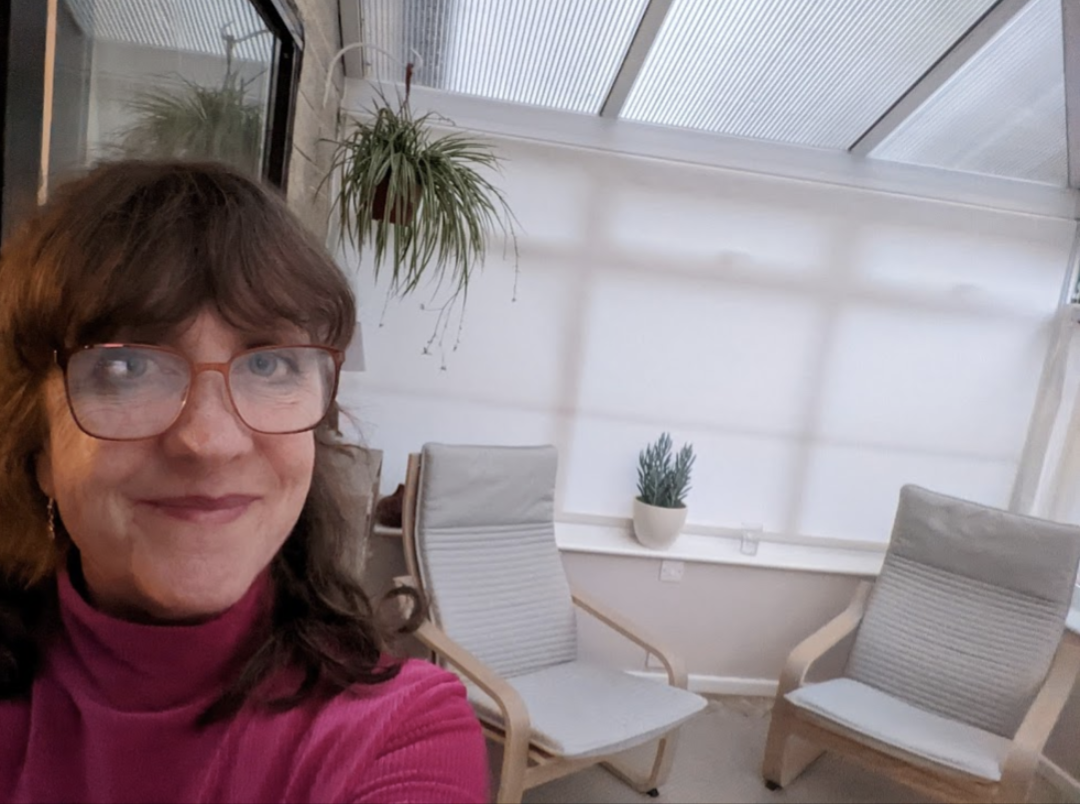
In my therapy room I work with many women who experience RSD. We talk about how much harder this can be during perimenopause and I have lots of resources to share.
Tips on how to beat RSD
Ask yourself, “Are they ‘really’ criticising me or am I perceiving it?”
Pause. This magic ‘pause point’ has been a game-changer for me. I know my pesky amygdala can force me to jump in with a reaction at lightening speed. Just knowing that has helped me to pause, even for a few seconds, and to take a few deep breaths, maybe even walk away for a moment. This gives me valuable time to reconsider my options.
Be self-compassionate. Even if it feels like the whole world is against you, you can be your own supporter. Perimenopause is something all women go through. It affects different people in different ways. You deserve to be kind to yourself.
Rest. We live in a high-stress world nowadays. Burnout is rife and will be the subject of my next blog – Burnout during Perimenopause (next week). You need to rest. From mini breaks to long, quality sleep, a walk in nature to spending time on your favourite hobby. Give yourself permission to rest.
Find your support network. Connecting with people who are going through what you are going through is both validating and reassuring. Asking a close relative about their experiences can really help. Maybe you have friends going through perimenopause. Check out Face Book groups. There are new ones appearing all the time to offer good advice.
Counselling and/or coaching
Finding a Therapist who is neuro-affirming, or even better, is neurodivergent themselves, can help give you the answers you have been looking for. Even two or three sessions can be highly beneficial. I offer a flexible approach to counselling and coaching. You might even consider my ‘one off’ sessions of ninety-minutes that focus on a specific area you might be having difficulty with – like RSD during perimenopause.
You can search ‘menopause support near me’ or ‘counselling for perimenopause’ as a starting point.
At Fresh Start Counselling I offer, brief, solution focused support. I am neurodivergent and, at 61, I have been through the menopause. Ten years worth of counselling in private Practice and decades of lived experience mean you can be sure of an empathetic professional who understands.
If you would like a free, twenty-minute chat, to see how we can work together, you are welcome to send an email to sallyanne.nilsson@yahoo.com
You are not alone. I’m listening…
Maybe check out my other blogs about being neurodivergent and navigating the menopause years here https://freshstart.me.uk/blog/